 Henry Willy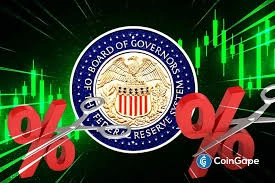
The Shock Heard Around the World
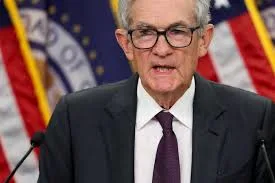
The Federal Reserve delivered the most aggressive rate cut since the 2008 financial crisis, slashing the federal funds rate by 0.75 percentage points to 4.00% in a stunning December surprise. Fed Chair Jerome Powell cited "unexpected deflationary pressures" and "concerning economic indicators" that prompted the emergency move. Core PCE inflation fell to 1.2% in November — well below the Fed's 2% target — while unemployment jumped to 4.8%, its highest level since 2022. The decision sent markets into a frenzy: the S&P 500 rocketed 4.2%, the Nasdaq surged 5.8%, and the 10-year Treasury yield plummeted to 3.15%. Powell's statement that "inflation risks have completely reversed" and "growth support is now our priority" signaled a dramatic pivot from just three months ago when the Fed was still hinting at potential hikes. The 75bps cut is the largest single move since the depths of the financial crisis, and futures markets now price in an additional 100bps of cuts through March 2026.
Market Implications
The aggressive cut triggers a massive rotation into growth stocks, with technology companies leading gains. Small-cap stocks, which suffered during the tightening cycle, exploded 8% higher. Real estate investment trusts (REITs) and utilities saw their best day in over a decade. Cryptocurrencies surged with Bitcoin breaking $115,000 for the first time. Regional banks, crushed by higher funding costs over the past two years, rallied 12% as net interest margin pressures ease. The dollar weakened 2.5% against major currencies, boosting international markets. Gold jumped 5% as real yields collapse, while oil prices remain under pressure from demand concerns. Emerging markets celebrate as capital flows reverse direction. The Fed's dramatic pivot suggests they've seen something in the data that isn't yet visible to markets — potentially signaling deeper economic weakness ahead or a complete victory over inflation that comes at the cost of growth.