
 Mark Blaze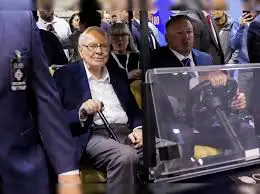
Buffett’s Largest Cash Position in History
Warren Buffett's Berkshire Hathaway has amassed an unprecedented $350 billion in cash and short-term Treasury bills — the largest cash position in corporate history. This massive war chest exceeds the market capitalization of Apple at its current valuation and represents nearly 40% of Berkshire's total assets. The Oracle of Omaha has been systematically building this position since 2022, selling stakes in airlines, energy companies, and trimming tech holdings while waiting for what he calls 'elephant-sized' acquisition opportunities. According to financial analysts, this level of liquidity indicates Buffett believes current market valuations are too high for major acquisitions.
The cash pile has grown from $150 billion in 2023 to $350 billion today, primarily through retained earnings and strategic asset sales. Berkshire has been earning 5.2% annually on these Treasury holdings while searching for companies trading at significant discounts to intrinsic value. Historically, Buffett has deployed large cash reserves during market downturns — he invested $25 billion during the 2008 financial crisis and $30 billion during the 2020 COVID-19 crash. Many investors are wondering if this massive cash position signals an impending market correction or simply reflects Buffett's legendary patience for the right deal. Market research from Bloomberg Intelligence suggests this could be the largest deployment of capital in corporate history when Buffett finally decides to pull the trigger.
What This Means for the Market
Buffett's record cash position has sent ripples through financial markets. Value investors are taking note and increasing their own cash allocations, with institutional cash holdings at 18-month highs. The S&P 500's forward P/E ratio of 28x is making it difficult for value-oriented investors to find attractive opportunities. Meanwhile, market strategists argue that such a defensive posture from history's greatest investor serves as a cautionary signal for retail investors. The last time Berkshire held such a high percentage of cash relative to assets was in 2007, just before the financial crisis, though Buffett has emphasized this is not a market timing strategy but rather a reflection of limited attractive opportunities.
Potential acquisition targets have been widely speculated, with industries like insurance, utilities, and consumer goods companies potentially in Buffett's crosshairs. However, the Oracle has remained characteristically silent about his plans, telling shareholders that he and Charlie Munger's successor, Greg Abel, are 'ready to act when opportunity presents itself.' The market is watching closely, as any major Berkshire acquisition would likely validate Buffett's thesis about market conditions and could trigger broader investor sentiment shifts.